
- Uncategorized
A good SDA housing project starts with a clear brief, not a floor plan.
Before concept design begins, the project team should understand who the home is for, how it will be used, what the site allows and which requirements need specialist input. Getting those points clear early gives the designer something practical to work from.
If you are speaking with NDIS building designers in Melbourne, having this information ready can make the early design stage much more focused.
Write the Project Brief Before Drawing Rooms
The brief should explain what the project needs to achieve.
Start with the basics. Is it a new SDA home, a renovation or part of a larger development? How many residents is the property intended for? Will support staff regularly use the home? Is an SDA design category already known?
These details shape the project before room sizes or layouts are discussed.
It is also useful to note anything already fixed, such as the site, budget range, proposed builder, or development timeframe.
Use the Site to Guide the Design
The site can affect the design from the beginning, so it should be reviewed early.
Slope, street access, vehicle movement, existing buildings and available outdoor areas can all influence how the home is arranged.
For an existing property, current drawings and information about previous alterations are useful. For a new development, a site survey and relevant planning information can help identify constraints before too much work goes into the concept.
A design that works on paper still needs to make sense on the actual block.
Map Out How the Home Will Be Used Each Day
Everyday movement through the home should be understood before the layout is settled.
Think about the journey from the entry to the living areas, bedroom, bathroom and outdoor spaces. Consider where mobility equipment may be used or stored, where support may be provided and whether visitors or carers need their own practical access.
This does not mean designing every detail around one routine. It gives the designer a clearer picture of how the spaces need to relate to one another.
A well-planned layout should make those everyday movements feel straightforward.
Separate Essential Needs From Things That May Change
Some requirements need to be resolved from the start, while others may change over time.
Fixed elements such as circulation, room relationships and key access points are difficult to alter later. Furniture, equipment and individual preferences can be more flexible.
Making that distinction early can stop the plan from becoming unnecessarily complicated.
It also helps when a property is intended to remain useful to different residents over its life, rather than being designed around a single, very specific arrangement.
Give the Builder Clear Information to Work From
The design needs to move beyond a good concept and become something that can be built clearly.
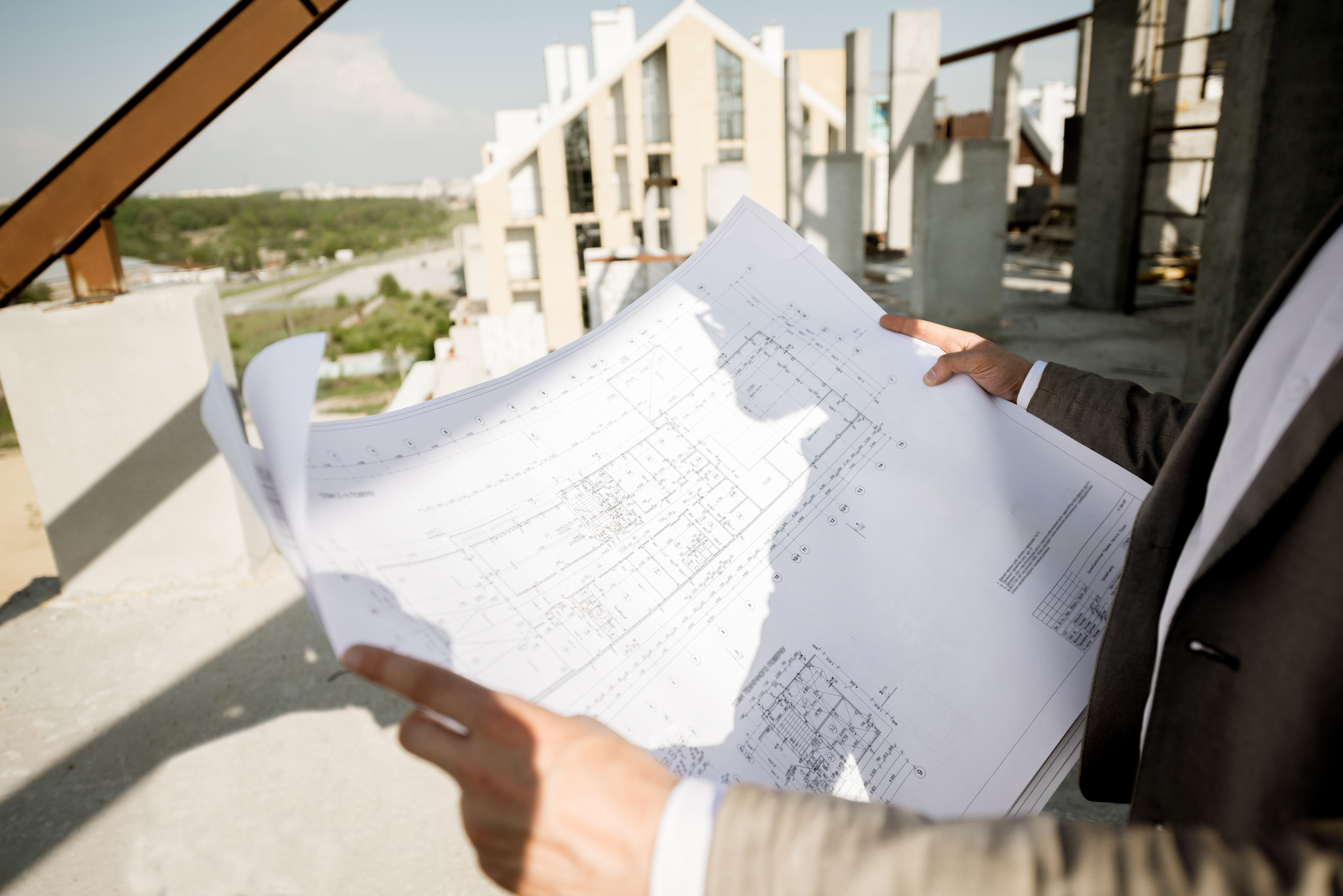
Once the main layout is resolved, the documentation should explain dimensions, room relationships and the details needed for the next stages of the project.
This is especially important where several consultants are contributing information. Their work needs to be aligned rather than treated as separate sets of drawings.
Clear documentation gives the builder a better reference during pricing and construction and reduces the number of decisions being made on-site.
Start With a Clear Brief, Then Develop the Design
An SDA project is easier to move forward when the site, intended use, project scope and specialist input are understood from the start.
You do not need all the answers before speaking with a designer. You do need enough information to explain what the development is trying to achieve and which questions still need to be resolved.
Plantech provides NDIS and SDA building design and documentation for projects across Melbourne and surrounding areas, working with builders, developers and other project stakeholders from early design through to construction documentation.