
Detailed documents that translate the approved design
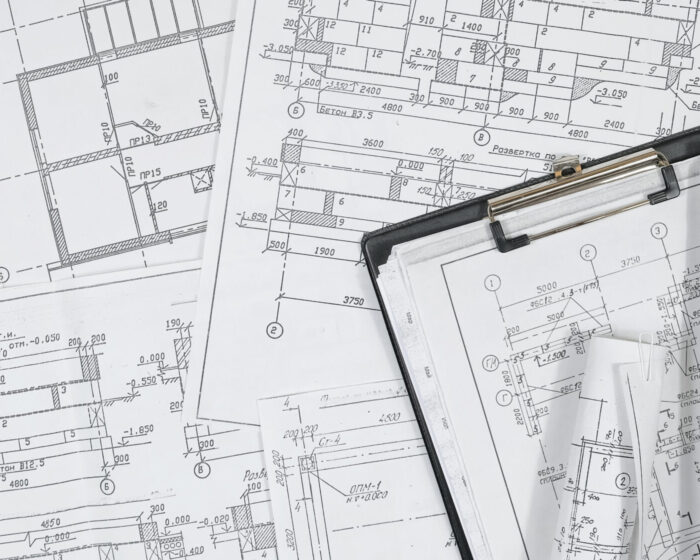
Working drawings record the information needed to assess, price and construct a building. They develop the approved design into a coordinated set that may include site plans, floor plans, elevations, sections, roof plans, details, schedules and other project-specific information.
The exact drawing set depends on the project type, building class, scope and consultant requirements. A simple residential alteration does not require the same level of documentation as a multi-residential or commercial project.
Plantech can prepare detailed design documentation after the concept and any required planning outcome are sufficiently resolved. Starting detailed drawings too early can lead to avoidable rework if the design changes.
What a working-drawing set may contain
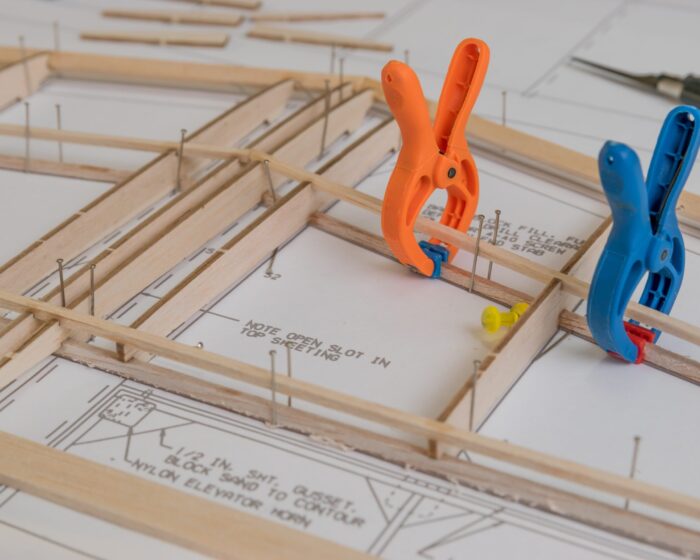
Typical content can include dimensions, levels, wall and roof information, openings, room layouts, external materials, wet-area arrangements, sections, construction notes and references to consultant documents.
Not every construction decision is necessarily designed by Plantech. Structural members, footings, civil drainage, energy requirements, fire systems, services, proprietary systems and other specialist items may be documented by separate consultants or suppliers.
The document register should make those responsibilities visible so the builder and building surveyor can identify the source of each item.
Coordination with consultant documents
Working drawings often need to be coordinated with feature surveys, structural engineering, civil engineering, energy assessments, soil reports, BAL assessments, services design or other project information.
Coordination does not mean Plantech verifies calculations outside its expertise. It means the drawing set is reviewed for obvious interfaces and updated with the relevant information received from the responsible consultant.
Late consultant changes can affect completed drawings. A clear issue and revision process helps the project team understand which set is current.
Documentation for building-permit assessment
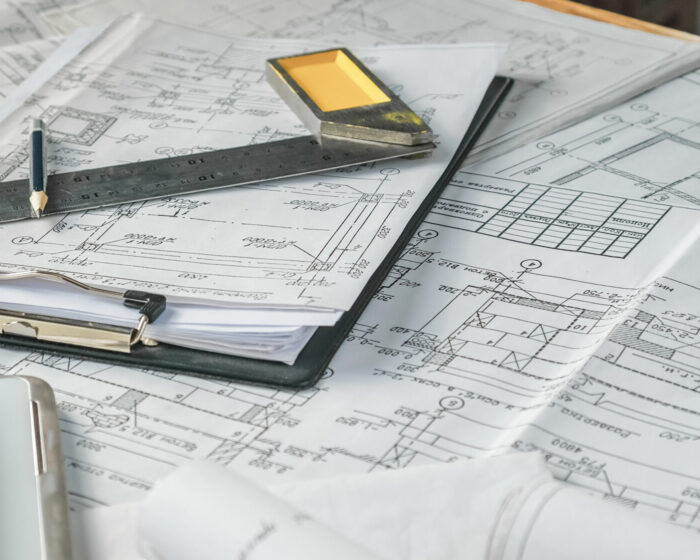
A registered building surveyor assesses the building-permit application and determines whether sufficient information has been provided. The surveyor may request changes or further documentation.
Plantech can prepare building-design drawings and coordinate responses within the agreed scope. It should not state that accurate drawings automatically cause a permit to be granted or that Plantech issues the permit.
Where the client authorises Plantech to assist with submission or communication, the proposal should record that authority and any exclusions.
Supporting builder pricing and construction
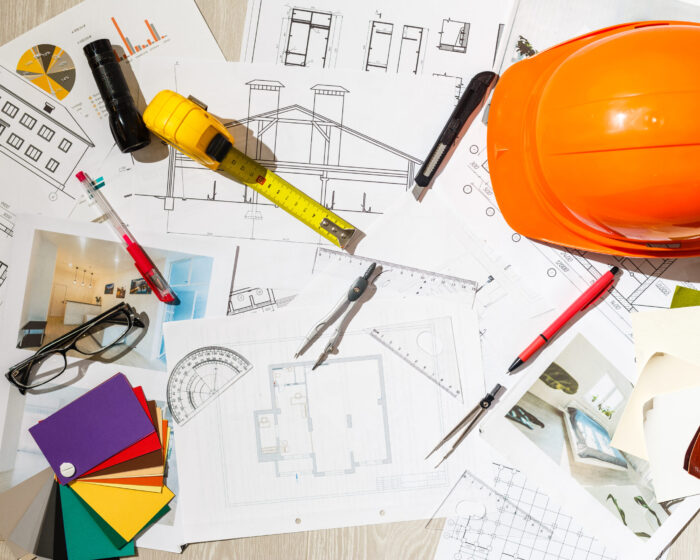
A clear drawing set gives builders a stronger basis for pricing and planning the work, but it does not remove the need for the builder to inspect the site, verify dimensions, review all documents and make its own construction assessment.
Details should be developed to a level appropriate for the project and fee. If the client expects interior elevations, joinery design, finishes schedules, wet-area details or other specialist documentation, those items should be expressly included.
Changes after pricing or permit issue can affect cost, programme, consultant work and approvals. The project team should use a controlled revision process rather than informal mark-ups that are not reflected in the current set.
Existing buildings and renovation documentation
Renovation and extension drawings depend on reliable existing-condition information. A measured survey, existing plans, site verification and specialist inspection may be required.
Some concealed conditions cannot be known before work begins. The documentation should distinguish verified information from assumptions and note where the builder or consultant must confirm conditions on site.
This is more honest and useful than promising that drawings will eliminate every construction uncertainty.
Request a working-drawing proposal
Provide the current design, planning permit and endorsed plans if applicable, site survey, consultant documents, authority correspondence and a description of the intended construction scope.
Plantech can review the information, identify missing inputs and define the proposed drawing deliverables, coordination tasks and review process.
Frequently Asked Questions
They provide detailed design information for building-permit assessment, consultant coordination, builder pricing and construction.
Sometimes preliminary coordination can begin, but detailed work is usually most efficient once the design and planning pathway are sufficiently resolved.
Structural engineering is normally prepared by the responsible engineer unless expressly included through a separate consultant arrangement.
No. The registered building surveyor assesses the application and may request further information or changes.
Potentially, subject to file quality, copyright or permission, site verification and an agreed scope.